
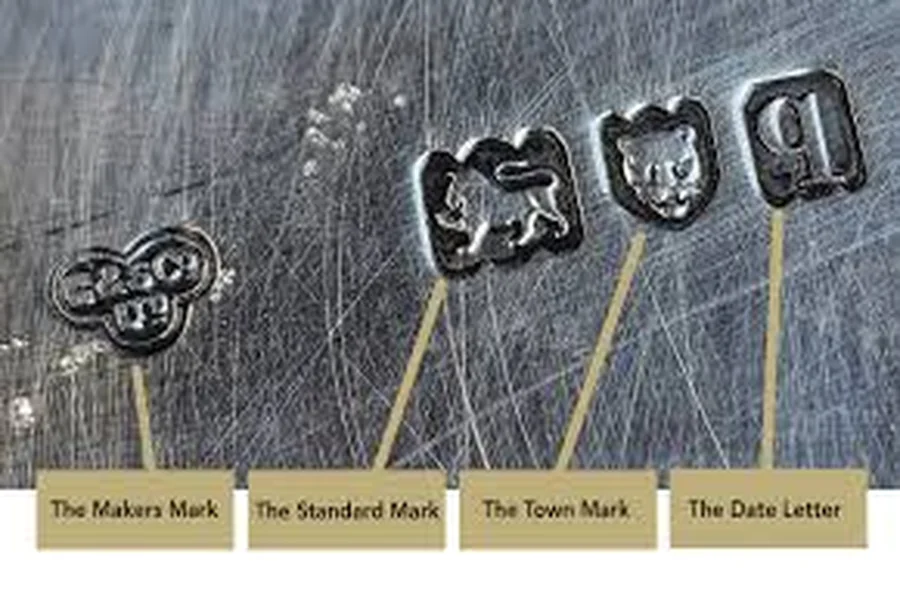
When you want to buy silver bullion, knowing how to read mint marks and authenticate your pieces is essential. Silver buyers who understand these details make smarter decisions, avoid costly mistakes, and build confidence as they grow their collection. In this guide you will learn what mint marks are, why they matter, how to verify authenticity, and practical tips that even beginners can use with confidence.
Silver has been minted by governments and private mints around the world for centuries. Each coin or bar typically carries markings that tell you where it was made, how pure the metal is, and sometimes when it was produced. These mint marks and hallmarks are more than decorative stamps. They provide important information about the origin and legitimacy of the metal in your hands.
What Are Mint Marks and Why They Matter
A mint mark is a small letter, symbol, or combination of letters placed on a coin or bar by the mint that produced it. For example, the United States Mint uses letters like P, D, S, and W to indicate Philadelphia, Denver, San Francisco, and West Point facilities respectively. Other countries have their own systems. Mint marks are useful because they help you trace where your silver was struck and sometimes hint at the rarity or desirability of a particular issue.
Alongside mint marks, you will often find purity stamps such as “.999” or “999 fine” on bullion coins and bars. This tells you the product is 99.9 percent pure silver, which is the standard for most modern investment grade silver. Lower purity items may still have value, but they do not usually appeal to investors focused on metal content.
When you buy silver bullion, checking mint marks and purity numbers should be one of the first steps you take before paying. Many reputable dealers will explain these details if you ask. A seller who does not seem familiar with key identifiers might not be the best source for precious metals.
How to Authenticate Silver
Authenticity goes beyond just reading stamps. Counterfeit silver does exist, and some fake pieces can mimic legitimate markings closely enough to fool the unprepared eye. The good news is there are reliable methods to confirm that your silver is real.
One simple method is to weigh the piece and compare it with official specifications. Genuine coins and bars have precise weights that reflect the metal content. If the weight is off by more than a fraction of a gram, it could be a red flag. You can usually find official weight figures listed by mints and on trusted industry websites.
Another effective test is the sound test. Real silver has a distinctive ring when gently tapped. Practice with known authentic pieces to train your ear. You can also use a magnet, because silver is not magnetic. If a strong magnet sticks, the object likely contains other metals.
Conclusion
Understanding silver mint marks and how to authenticate precious metal is one of the most important skills you can develop as a buyer. It empowers you to make confident purchases, protect your investment, and enjoy the process of building a meaningful collection. Pay attention to the marks on your silver, verify what you can with physical tests, and always be curious about what each piece in your hand can tell you. With care and knowledge, buying silver becomes not just a transaction but a rewarding journey.