
With countless skincare options available today, choosing the right product can feel overwhelming. Among the most popular treatments are the face mask and the sheet mask—two favourites that promise glowing, hydrated skin. But while both serve a similar purpose, they offer different experiences and benefits.
Whether you’re looking to deeply cleanse or quickly hydrate, understanding the difference between these two skincare staples can help you make a more informed choice.
What Is a Face Mask?
A face mask typically comes in a cream, clay, or gel-based formula that you apply directly onto the skin. These masks are known for their targeted benefits—detoxifying, purifying, brightening, or soothing—depending on their ingredients.
They usually need to stay on the skin for about 10–20 minutes before being rinsed off. Face masks are ideal when you have time to indulge in a more involved self-care routine and want results that go deeper than just hydration.
What Is a Sheet Mask?
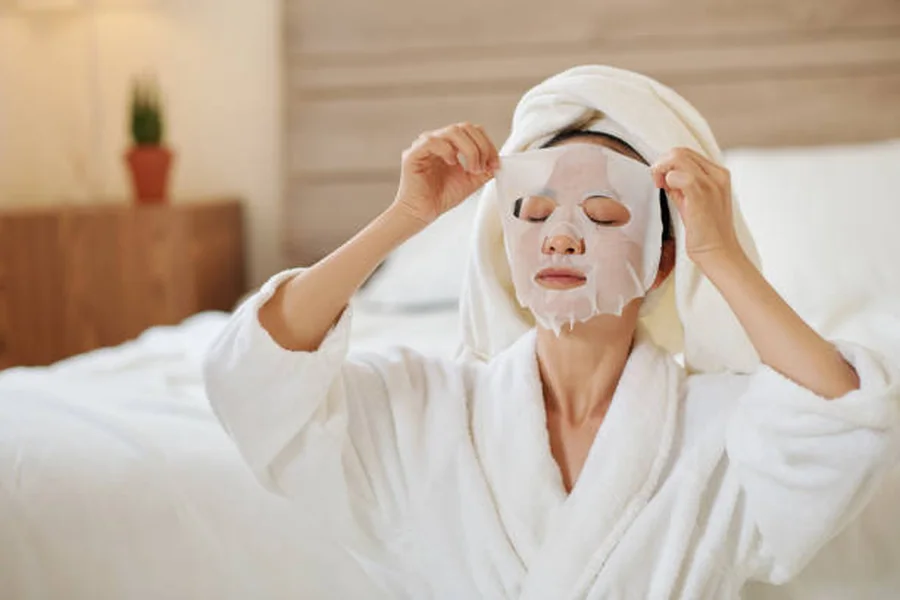
On the other hand, a sheet mask is a pre-cut piece of fabric or hydrogel soaked in a nutrient-rich serum. The sheet is placed over your face, allowing your skin to absorb the serum while creating a seal that locks in moisture.
Sheet masks are fuss-free, require no rinsing, and are excellent for delivering quick hydration and glow. They’re also travel-friendly and easy to use—even on busy days.
Key Differences Between the Two
-
Application Style
Face masks require you to apply and wash off the product, while sheet masks come ready to use and are mess-free. This makes sheet masks a convenient option for those with limited time.
-
Skin Concerns Addressed
Face masks are often better suited for more intensive skin concerns like acne, clogged pores, or oil control. For instance, clay or charcoal masks are popular for drawing out impurities. Sheet masks, however, are best for hydration and soothing tired skin.
-
Active Ingredients
While both mask types can deliver nutrients to the skin, face masks tend to contain stronger active ingredients like clay, salicylic acid, or exfoliants. Sheet masks lean towards calming ingredients such as aloe vera, hyaluronic acid, and green tea.
-
Frequency of Use
Face masks are generally used 1–2 times a week due to their potency. Sheet masks, being gentler, can be used more frequently—sometimes even daily, depending on your skin’s needs.
Which One Should You Choose?
Choosing between a face mask and a sheet mask largely depends on your skincare needs and daily routine.
- For concerns such as excess oil, clogged pores, or a lacklustre complexion, a traditional face mask is often the better option.
- On the other hand, if you’re looking for a quick hydration boost—especially before an event or after a tiring day—a sheet mask is ideal.
You can also enjoy the benefits of both by using them at different times during the week. Try a clay-based face mask for a deep cleanse, and later in the week, follow up with a sheet mask to restore hydration.
Final Thoughts
When it comes to face masks versus sheet masks, there is no one-size-fits-all answer. Each has its own benefits and place in a well-rounded skincare routine. The key is to listen to your skin and adjust your approach accordingly.
Whether you choose the deep treatment of a traditional face mask or the convenience of a serum-infused sheet mask, both can enhance your skin’s health and glow when used mindfully.