
Is your ankle support helping or impairing your recovery? How do you know this? Several people often choose the first elastic wrap available, without considering the level of stability and compression their injury actually requires. The right choice is very crucial, whether it is to control swelling or give strong support during rehab exercises. Compression aids are very common in recovery care, but people often have trouble telling the difference between a light sleeve and a more supportive binder.
Thus, we’ll explore how to choose the best compression support for your recovery requirements.
What is an Ankle Binder Belt and How Does it Aid Recovery?
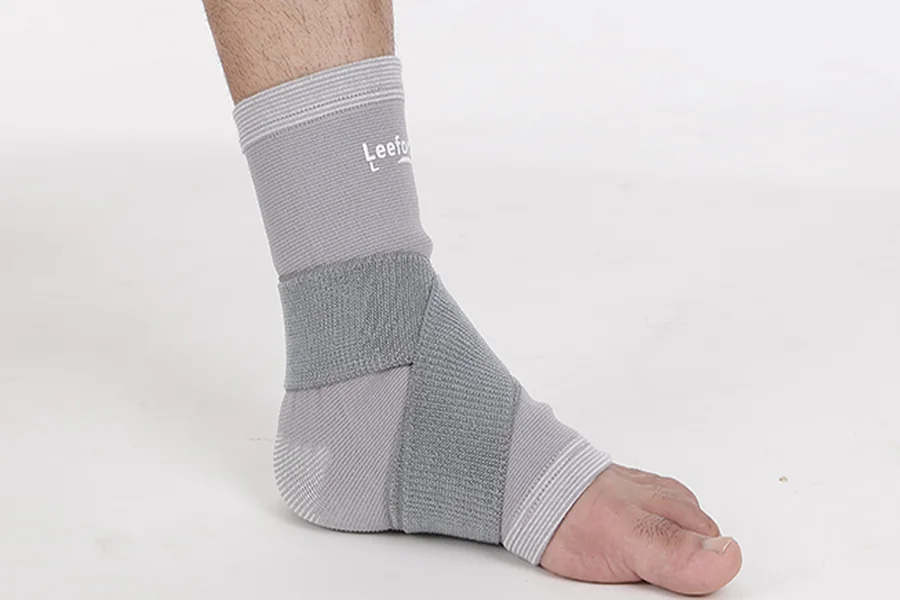
An ankle binder belt is a structured orthopedic support crafted to reinforce and stabilize the ankle joint. It is usually made from elastic, breathable material and often includes a figure-of-eight strap design for customizable compression.
How It Aids Recovery:
- Joint Stability: Reduces excessive movement and prevents further strain on injured ligaments or tendons.
- Compression: Promotes healing in the ankle by enhancing blood circulation, which eases swelling and inflammation.
- Pain Relief: Helps the ankle feel more stable and less painful through external reinforcement.
- Proprioception: Activates the brain’s awareness of joint positioning, reducing the risk of injury recurrence.
Ankle Binder Belt vs. Standard Ankle Support: Which Do You Need?
Deciding between an ankle binder belt and a regular support depends on how severe the injury is, your activity level, and the stage of recovery.
- Ankle Binder Belt:
Offers firm stabilization through a “figure-of-eight” strap. It provides customizable compression, making it suitable for acute sprains or post-surgical immobilization.
- Standard Support:
Usually its just a simple elastic sleeve. It provides mild compression and warmth, best suited for minor aches, chronic swelling, or everyday stability.
Tip: If you have a structural injury that needs limited movement, use a binder. Choose standard support for general comfort when doing light physical activities.
Top Benefits of Using an Ankle Support During Post-Injury Healing
Using an ankle support during post-injury healing offers several key advantages:
- Overall Stability: Prevents harmful lateral movements while protecting weakened ligaments.
- Edema Control: Constant compression minimizes fluid buildup and speeds up tissue repair.
- Pain Management: Offers gentle compression to minimize nerve sensitivity and ensure comfort.
- Confidence Boost: Encourages early, safe mobilization by making the joint feel more secure.
How to Properly Wear an Ankle Binder Belt for Maximum Stability
To maximize stability, follow these steps:
- Position: Put your heel in the opening or center.
- Initial Wrap: Secure the base strap around the lower calf.
- Figure-Eight: Cross straps over the foot and under the arch.
- Tension: Pull firmly for support without cutting off blood circulation.
Can I wear an ankle binder while sleeping?
Wearing an ankle binder while sleeping is often discouraged, unless prescribed by your doctor.
- Circulation Risks: Constant compression may impair blood circulation during inactivity.
- Skin Irritation: Extended wear traps moisture and heat.
- Nerve Pressure: Prolonged tightness may cause numbness.
- Alternative: Use a pillow to elevate the limb for swelling relief instead.
When should you switch from a binder belt to a compression sleeve?
Switch to a compression sleeve in these cases:
- Healing Stage: When inflammation subsides and the basic range of motion returns.
- Stability: Once the joint no longer feels “loose” or unstable during walking.
- Activity: During the transition from immobilization to active rehabilitation or physical therapy.
How do I choose the right size for an ankle support?
Choosing the correct size ensures effectiveness and comfort:
- Measure: To get the right size, wrap a flexible tape around your ankle just above the bone.
- Check Charts: Always make sure your measurement matches the manufacturer’s specific sizing instructions.
- Fit Test: It should feel snug like a firm hug, not tight enough to cause numbness or discoloration.
- Check Shoe Fit: Make sure the bulk allows for your regular footwear.
Is an ankle binder belt suitable for sports-related recovery?
Yes, an ankle binder belt is suitable for sports-related recovery, especially for mild to moderate sprains and strains.
- Stability: Offers external support that limits excessive or harmful movements.
- Compression: Helps alleviate swelling and boost blood circulation post-injury.
- Protected Movement: Enables controlled motion without completely restricting it.
- Injury Prevention: Commonly worn for return-to-sport to lower further injury risk.
Tip: An ankle binder isn’t a substitute for medical care in severe injuries. It requires medical guidance, and it should be incorporated with strengthening exercises.
Are ankle binders effective for Plantar Fasciitis?
Yes, ankle binders can help manage plantar fasciitis by providing compression, arch support, and stabilization.
- This support can help with pain, swelling, and muscle fatigue during everyday tasks. They might also help with morning stiffness by giving the foot more support. However, they are a supportive aid, not a cure, and work best when incorporated with stretching, proper footwear, and strengthening exercises.
What are the common mistakes to avoid when using ankle supports?
Avoid the following to ensure effective recovery and prevent further complications:
- Over-Tightening: Applying excessive pressure can restrict blood circulation and result in nerve compression or numbness.
- Wearing 24/7: Continuous support often leads to muscle weakening. Thus, give your ankle time to heal naturally.
- Wrong Size: A loose support offers zero stability, while a tight one causes skin irritation and discomfort.
- Ignoring Pain: Using a support to “push through” sharp pain can hide serious injuries and prevent you from getting the right medical care.
- Poor Placement: Wrong alignment of the heel or straps minimizes the support’s stabilizing effect.
- Neglecting Hygiene: Not keeping the brace clean can result in bacterial buildup and skin problems.
Final Thoughts
Compression supports are valuable tools in injury management when used appropriately. They assist in minimizing swelling, improving stability, and enhancing joint awareness during recovery.
The real impact, however, depends on correct sizing, appropriate compression levels, and gradually shifting to less restrictive support as healing progresses. This approach encourages a more controlled and proactive recovery journey.